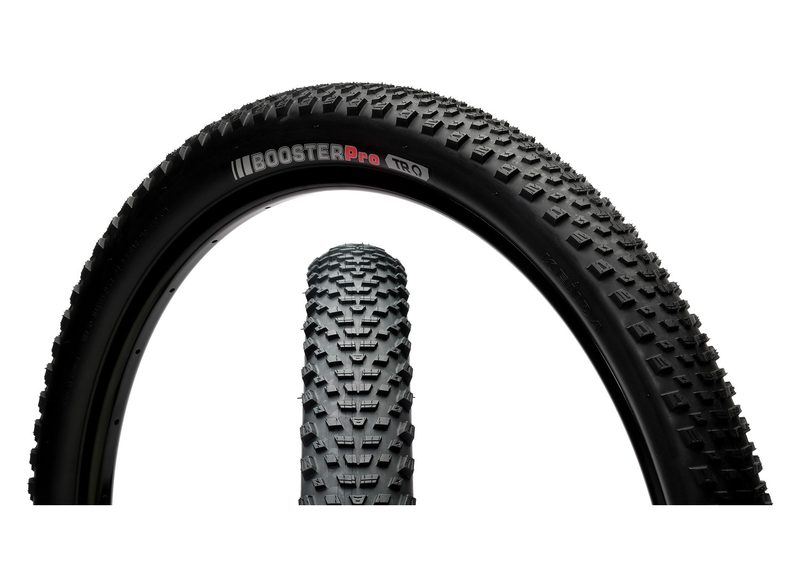
Kenda Booster Pro
XC
Front+Rear
Short answer: Rolling resistance: Maxxis Rekon Race leads with 27.8 W, Kenda Booster Pro trails by 7.5 W.
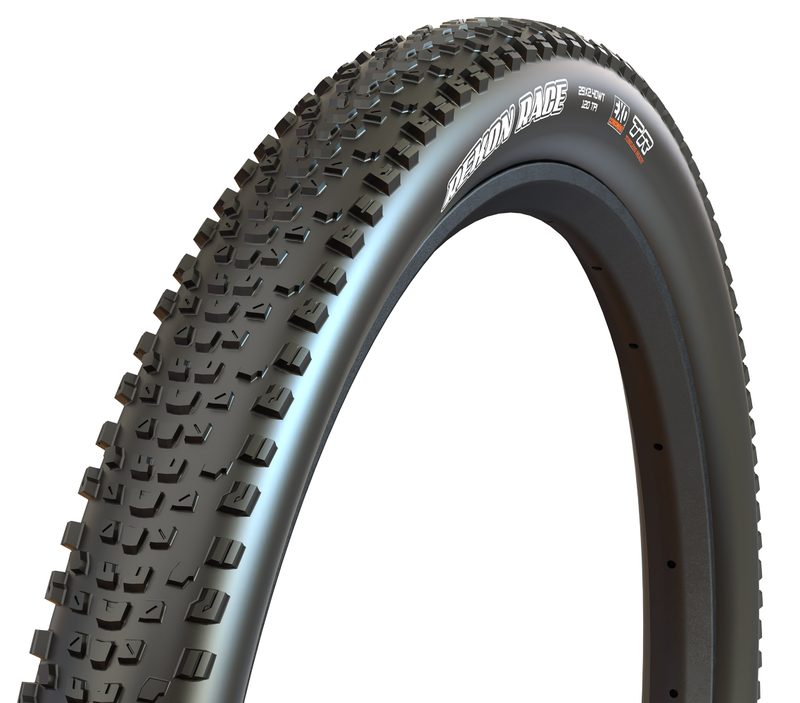
Width, casing, compound and pressure – every value on this page follows your pick.
Kenda Booster Pro
Maxxis Rekon Race
Width, casing and compound decide how a tire really rides. We only show what was actually measured – and label estimates honestly.
Kenda Booster Pro: Reference: recommended pressure 24 psi (1.65 bar) – an assumption, not a test pressure.
Maxxis Rekon Race: Reference: recommended pressure 24 psi (1.65 bar) – an assumption, not a test pressure.
More pressure: less rolling resistance, less grip, less comfort. Tougher casing: more protection, more weight. Softer compound: more grip, more rolling resistance.
Modelled values are assumptions based on the stated measurement points – not a lab test.
| Kenda Booster Pro | Maxxis Rekon Race | |
|---|---|---|
| Width | 2.4" (61 mm) | 2.4" (61 mm) |
| Wheel sizes | 29" · 27.5" | 29" · 27.5" |
| Weight | 739 g | 814 g |
| Casing | SCT | EXO |
| Casing | – | Trail |
| TPI | – | – |
| Tread type | Intermediate | Intermediate |
| Tubeless ready | yes | yes |
| E-MTB approval | no | no |
| Price from | €49 | €59 |
| Model year | 2025 | 2024 |
Hardness scale 1 = hard and fast to 5 = very soft and grippy (our own classification).
Both tires sit in the same grip class – the watt comparison is fair.
Both tires sit on the same step of our editorial hardness scale.
| Kenda Booster Pro | Maxxis Rekon Race | |
|---|---|---|
| Rolling resistance (W) | 35.3 W | 27.8 W |
| Wet grip measurement (points) | 67.0 points | 69.0 points |
| Weighed weight (g) | 739.0 g | 814.0 g |
Up to three versions at once: the curve is modelled rolling resistance across pressure, the dot is the real lab measurement. Click the legend to show or hide a version.
The curve shape is a physics model, not a measurement. Labs do not measure grip across pressure – we do not invent that curve. Wet grip is a lab value per tire model, not per version.
Every measured variant of the selected tires – the same model in another compound, width or casing sits right next to it. Empty fields mean no reliable measurement.
| Kenda Booster ProBooster Pro SCT 2.4 | 35.3 W | – | 739 g |
| Maxxis Rekon RaceRekon Race MaxxSpeed EXO/TR 2.4 | 27.8 W | – | 814 g |
No values are available for this selection.
Tested
The editors test the wider Wide Trail XC tires Maxxis Aspen and Rekon Race, with which Nino Schurter became world champion in 2019. Despite the increased width, both models impress with good rolling resistance and speed in XC racing.
MTB-News.de